
Web & Design
Shopify vs WooCommerce for Indian businesses
Shopify or WooCommerce for your online store in India? Compare running costs, payments, GST, control and maintenance to choose the right platform.
By Yash Gupta, Full Stack Developer3 min read
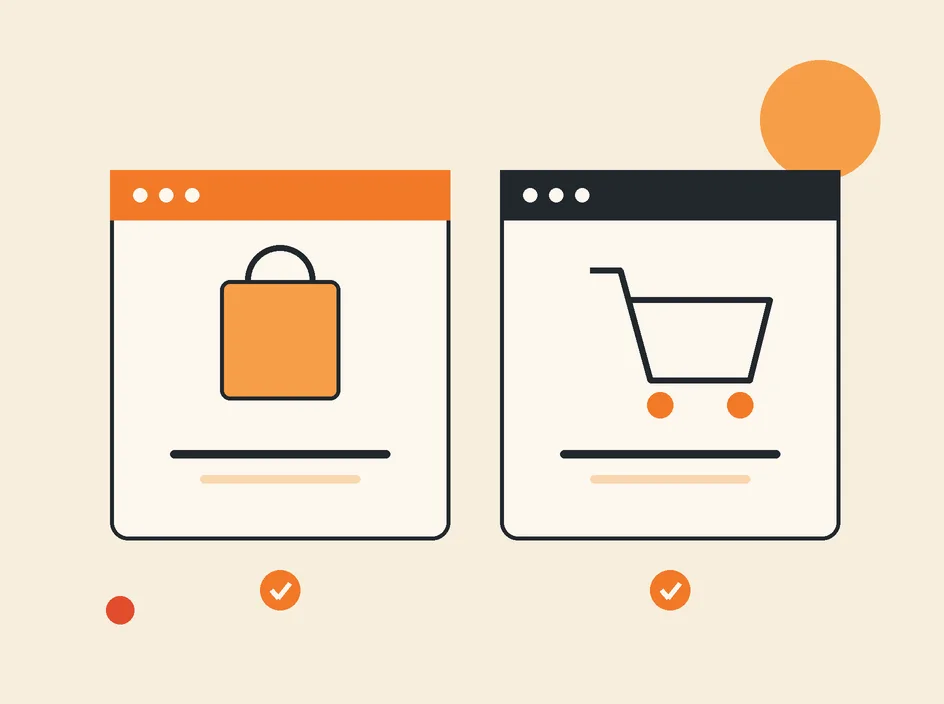
Two good platforms, different trade-offs
Shopify and WooCommerce run a large share of the world's online stores, and both work well for Indian businesses. The right choice depends less on which platform is "better" and more on how you want to run your store: how much control you need, who will maintain it and how your costs should look month to month.
This guide compares the two on the points that matter most when you sell in India.
How they work
- Shopify is a hosted platform. You pay a monthly subscription and Shopify runs the servers, security and updates. You build the store with a theme and add features through apps.
- WooCommerce is a free plugin for WordPress. You host the website yourself, which gives you full control over the code, design and data, but you are responsible for hosting, updates and security.
Costs: subscription vs self-managed
Shopify
- A monthly plan fee, which rises with higher plans
- Paid themes and apps for extra features, often billed monthly
- Payment gateway fees, plus a possible Shopify transaction fee when you use a third-party gateway, depending on your plan
Check Shopify's current plan page for today's fees, as they change.
WooCommerce
- WooCommerce itself is free
- You pay for hosting, a domain and an SSL certificate
- Paid extensions for some features, usually billed yearly
- Payment gateway fees only, with no extra platform fee
- Someone needs to handle updates, backups and security
In short, Shopify's costs are predictable but recurring, while WooCommerce can cost less over time if your store is maintained well.
Payments, GST and shipping in India
Both platforms work with popular Indian payment gateways that support UPI, cards, net banking and wallets, and both can offer cash on delivery.
- GST: both let you set tax rates. GST-compliant invoices usually need an app on Shopify or a plugin on WooCommerce.
- Shipping: both connect with Indian shipping aggregators for rates, labels and tracking.
- Language and currency: both can show prices in rupees and support multiple currencies for international buyers.
Control and customisation
- WooCommerce gives you complete control. Developers can change anything, from checkout steps to custom product options and integrations with your ERP or accounting software.
- Shopify is more structured. Themes and apps cover most needs, and custom work is possible within Shopify's rules. Some checkout changes are limited unless you are on a higher plan.
If your business has unusual products, B2B pricing or deep integrations, WooCommerce or a custom build is often easier to shape around your process.
Maintenance and security
- Shopify handles hosting, security and platform updates for you, which suits teams without technical staff.
- WooCommerce needs regular updates to WordPress, plugins and themes, plus backups and security monitoring. A website maintenance plan keeps this under control.
Which should you choose?
Choose Shopify when
- You want to launch quickly and avoid technical maintenance
- Your products and checkout are standard
- You prefer predictable monthly costs and are comfortable paying for apps
Choose WooCommerce when
- You want full ownership of your store, code and data
- You need custom features, B2B pricing or integrations
- You already use WordPress, or you have a team or partner to maintain it
Not sure? List the features you need in year one and year three. The platform that handles both without heavy workarounds is usually the right one.
How YLS can help
We build and customise stores on both platforms. You can hire a Shopify developer or a WordPress and WooCommerce developer, or start with an online store package from our pricing page. To see a rough budget for your store, try the cost calculator, or contact us for a free recommendation and quote.
Find the right next step for your business
Related articles

Web & Design
Website maintenance: what it includes and why it matters
What a website maintenance plan should include, from updates, backups and security to speed and small changes, and what it costs to keep a site healthy.
Read article
Software & Development
Flutter vs React Native: which is right for your app?
Flutter or React Native for your Android and iOS app? Compare how they work, performance, design, team skills and maintenance to choose with confidence.
Read article
Web & Design
Brand identity design cost and what is included
What a brand identity project includes, from logo and colours to guidelines and templates, what affects the cost and how to brief a designer for a better result.
Read article